
Announcements & Events
Global Summit on Artificial Intelligence
As the leading global forum for advancing the conversation on artificial intelligence, the Global AI Summit brings together international experts, academics, business leaders, and policymakers to guide the future of AI for the benefit of humanity
News
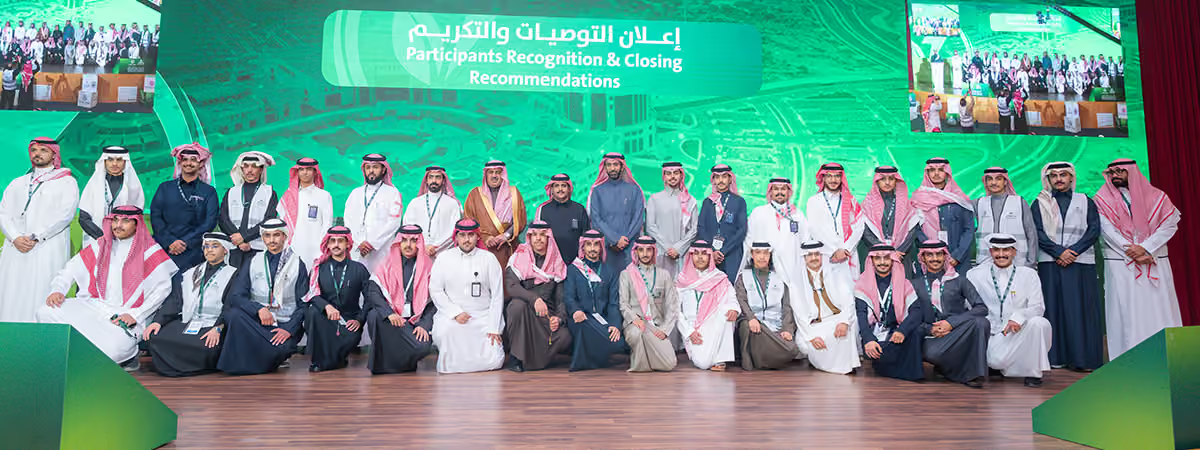
The University Concludes the 2025 Sustainable Solutions in Energy and Environment Conference with Recommendations to Advance the Future of Energy and the Environment
Source
King Khalid University – General Administration of Corporate Communication
His Excellency the President of King Khalid University, Professor Faleh bin Raja Allah Al-Solami, attended yesterday’s closing ceremony of the 2025 Sustainable Solutions in Energy and Environment Conference. The conference was held under the patronage of His Royal Highness Prince Turki bin Talal bin Abdulaziz, Governor of the Asir Region and Chairman of the Asir Region Development Authority. Organized by the College of Engineering, the event took place at the Exhibition and Conference Center in the University City in Al-Fara’a.
The conference concluded after two days of scientific discussions and panel sessions involving experts and researchers from national and international organizations.
His Excellency the University President honored the students who won the scientific competitions, as well as the participants and partner organizations. The event attracted broad participation, bringing together more than 35 speakers and experts from over 15 countries across five continents.
The conference also featured the awareness and communication exhibition for the fifth Human Capability Development initiative within the energy ecosystem, along with the “Engineer’s Day” exhibition, which showcased more than 30 student projects in energy, innovation, and engineering.
The conference’s scientific program included 10 keynote and panel sessions and four scientific sessions, during which 23 research papers were discussed. It also featured 42 scientific posters and nine specialized workshops. This diversity of scientific content promoted the exchange of expertise and highlighted the latest practices and innovations in clean energy and environmental sustainability.
The Chair of the Conference Scientific Committee, Dr. Saad bin Fahad Al-Jabbar, stated that the recommendations resulting from the sessions covered the principal areas of energy and the environment. They called for accelerating the adoption of clean and intelligent energy systems, improving national readiness, strengthening carbon-management technologies and circular-economy applications, and developing environmental monitoring systems and ecosystem protection in arid environments.
The recommendations also emphasized the importance of supporting water sustainability, expanding advanced treatment technologies and connecting them with renewable energy sources, and promoting innovation in sustainable materials and green chemistry to meet industrial needs.
They further called for enabling cross-sector collaboration to establish shared innovation environments and positioning the conference as an ongoing scientific platform through research programs and annual challenges. Additional recommendations included supporting capacity building and human-capital development in energy and environmental fields and aligning research efforts with the objectives of Saudi Vision 2030 and the priorities of the research and innovation ecosystem.
News Category
News
The University Wins the 2025 Princess Seetah Award for Excellence in Social Work in the Environmental Sustainability Category
Source
King Khalid University – General Administration of Corporate Communication
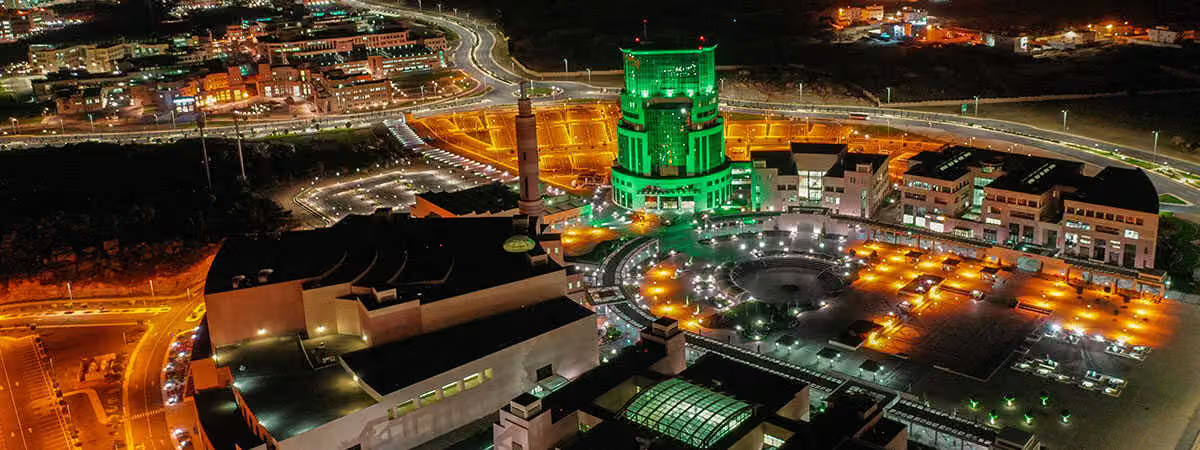
King Khalid University has received the Princess Seetah bint Abdulaziz Award for Excellence in Social Work in its 13th edition for 2025, winning the Excellence in Environmental Sustainability category for government entities, nonprofit organizations, companies, and individuals.
The University’s achievement was announced during a press conference held by the Award Foundation in Riyadh. This edition is being held under the theme “Social Intelligence in the Service of Humanity.” The event was attended by several royal highnesses and senior officials, government leaders, and representatives of the social and media sectors.
The University Vice President for Graduate Studies and Scientific Research, Professor Hamed bin Majdoua Al-Qarni, explained that the University received the award for an initiative by the Bee Research and Honey Production Center, which operates under the University Vice Presidency for Graduate Studies and Scientific Research.
The initiative presented an applied scientific model for utilizing research to serve the environment and society. Its research activities contributed to protecting biodiversity, developing sustainable environmental practices, and achieving a tangible social impact. It embodied the concept of social intelligence by developing environmental solutions based on an understanding of local community needs and transforming scientific knowledge into practical applications that benefit people and the environment.
Al-Qarni emphasized that this achievement reflects the University’s commitment to supporting applied scientific research and fostering initiatives that respond to community needs and transform scientific knowledge into tangible environmental and social impact. He added that the University continues to strengthen this approach through an integrated institutional ecosystem that connects scientific research with real-world applications.
The Director of the Bee Research and Honey Production Center at King Khalid University, Professor Hamed bin Ali Al-Gharamah, explained that the initiative arose from an urgent national need to protect local honeybee breeds from the risks of crossbreeding and climate change, alongside growing environmental challenges and declining vegetation cover in several regions.
He stated that the Center works to strengthen the integration of scientific research with environmental and community applications through initiatives designed to empower beekeepers and rural families, increase their incomes, and ensure the sustainability of their activities. These efforts also address the growing demand for honey analysis services, ensure the quality of natural products, and enhance governance and institutional regulation across the beekeeping sector and its related products. This contributes to protecting natural resources, supporting environmental sustainability, and creating a tangible community impact.
The Bee Research and Honey Production Center received the award jointly with the Hail Region Municipality’s “Hail Al-Ajmal” initiative.
News Category
News
The University Launches the “Discovery and Learning Bridge” Project to Develop a Global Model for University Institutional Intelligence
Source
King Khalid University – General Administration of Corporate Communication
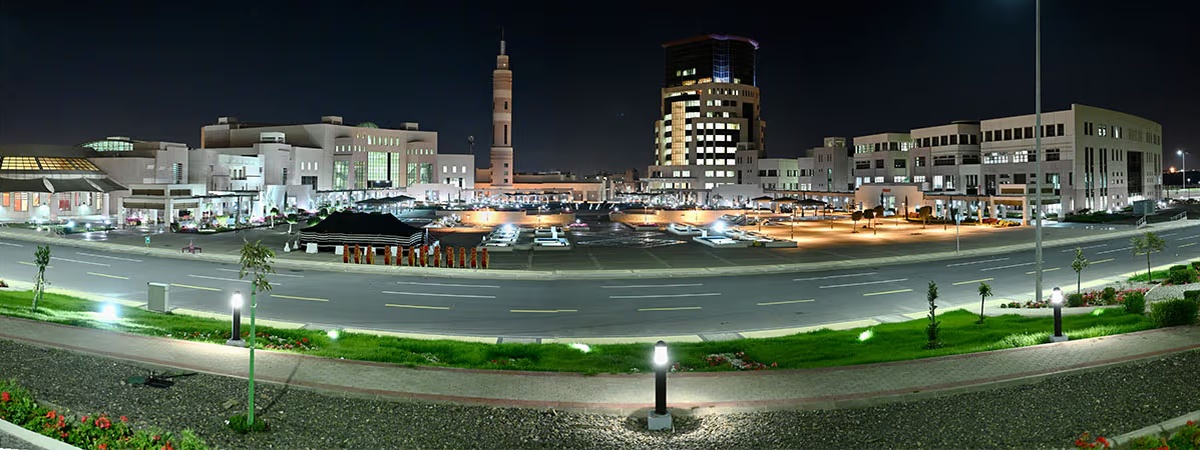
King Khalid University, in collaboration with Elsevier and Studyportals, has launched the “Discovery and Learning Bridge” project. This pioneering pilot initiative anticipates the future of higher education and research intelligence and aims to develop an advanced model for university institutional intelligence that connects scientific research, education, and the labor market.
His Excellency the President of King Khalid University, Professor Faleh bin Raja Allah Al-Solami, affirmed that the launch of the project extends the University’s strategic direction toward becoming a leading global university capable of utilizing knowledge, data, and modern technologies to advance education, research, and innovation. He noted that the project reflects the University’s commitment to adopting high-quality models that support decision-making, strengthen its international competitiveness, and contribute to achieving the objectives of Saudi Vision 2030 in the higher education sector.
The University Vice President for Graduate Studies and Scientific Research, Professor Hamed bin Majdoua Al-Qarni, explained that the project represents an important step in advancing scientific research, graduate studies, and innovation at the University. It will establish an integrated model connecting research capabilities, academic programs, labor-market needs, and future opportunities. He emphasized that this partnership with international organizations will help generate strategic insights that guide research and academic priorities and enhance the University’s impact locally and internationally.
The Project Director and Supervisor of the University’s Innovation Ecosystem, Dr. Mohammed bin Saeed Al-Qahtani, stated that the project responds to the rapid global transformations taking place in higher education and the growing need for intelligent institutional models capable of utilizing data and knowledge to support strategic planning, decision-making, and the identification of future development opportunities.
Al-Qahtani noted that the project aims to build an intelligent institutional model that unifies scientific research, higher education, and the labor market within an integrated analytical framework. This will help transform academic and research data into actionable strategic insights that support the development of academic programs, guide research and innovation initiatives, and align the University’s outcomes with future developments.
He explained that the project is the result of a distinctive tripartite partnership between King Khalid University, Elsevier, with its global expertise in scientific research ecosystems, publication and research-impact analytics, and research intelligence tools, and Studyportals, which offers advanced capabilities in analyzing global higher-education data, international student trends, and the attractiveness of academic programs.
This partnership gives the project a unique, integrated dimension by combining in-depth research knowledge, an understanding of global education trends, and labor-market needs. It will contribute to building an intelligent institutional model capable of transforming fragmented data into actionable strategic insights.
Through this project, King Khalid University seeks to achieve several strategic objectives, including establishing an integrated university institutional intelligence ecosystem, strengthening the connection between research, innovation, and education, developing intelligent knowledge-based performance indicators, and identifying opportunities for academic expansion. The project also aims to enhance the University’s international academic standing, support global academic marketing, and pave the way for expanding institutional intelligence applications across higher-education institutions nationally and regionally.
The partners recently held the project’s inaugural meeting, during which they agreed to launch a focused pilot phase based on several academic disciplines identified as priorities for the University. The pilot will test the proposed model and assess its ability to generate strategic insights that can be translated into decisions and development initiatives.
The partners also agreed to develop an integrated governance framework regulating data exchange and institutional collaboration among the participating parties and to adopt a methodology based on analysis, review, and integration. This approach will ensure the development of a sustainable model capable of future expansion.
The project represents a significant step—and the first of its kind globally—toward establishing an advanced university institutional intelligence ecosystem. It will help transform knowledge into decisions, policies, and initiatives with a sustainable impact on education, research, and innovation. It will also strengthen King Khalid University’s position among academic institutions leading the transition toward data- and knowledge-driven higher education that is better equipped to respond to future needs.
News Category
News
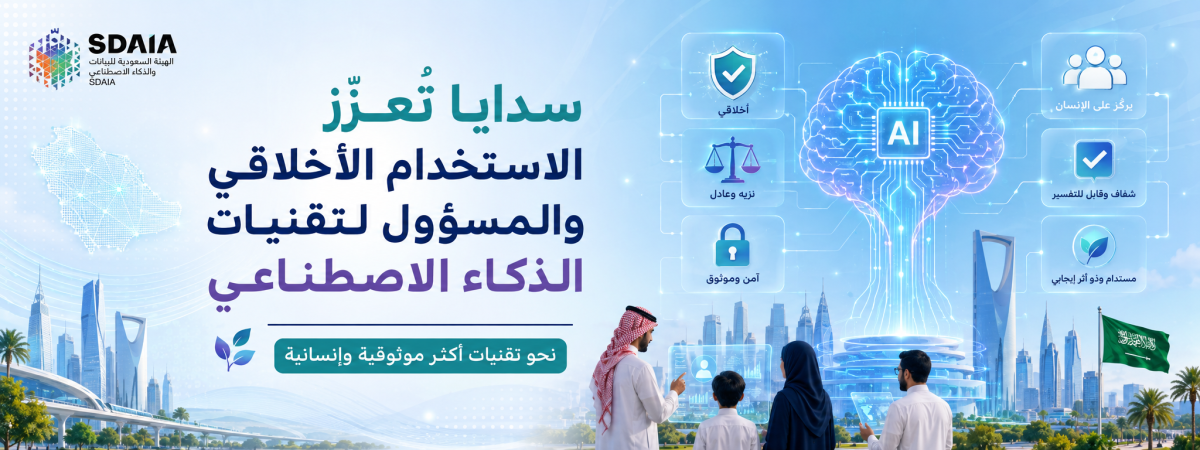
SDAIA Promotes the Ethical and Responsible Use of Artificial Intelligence Technologies
Source
Saudi Data and Artificial Intelligence Authority (SDAIA)
The Saudi Data and Artificial Intelligence Authority (SDAIA) has strengthened the ethical and responsible use of artificial intelligence technologies as part of its efforts to establish an integrated AI ethics ecosystem locally and globally. This is being achieved through the development of regulatory frameworks and specialized initiatives in data and artificial intelligence, contributing to the responsible use of advanced technologies while taking both ethical and human considerations into account.
In conjunction with the Year of Artificial Intelligence 2026, SDAIA continues its national role in raising global awareness of AI ethics, highlighting the risks associated with deepfake technologies, and supporting studies and research that help protect societies from irresponsible AI outputs. These efforts also include collaboration with the International Center for AI Research and Ethics (ICAIRE), which operates under the auspices of UNESCO and is headquartered in Riyadh.
Central to these efforts are the AI Ethics Principles launched by SDAIA, reflecting the Kingdom of Saudi Arabia’s commitment to human rights and cultural values and aligning with international standards and recommendations on AI ethics. SDAIA regularly reviews and updates these principles, monitors compliance, and develops national guidelines, standards, and directives to ensure that AI ethics are effectively managed and implemented.
Its efforts also include developing an AI ethics adoption plan, providing advice on ethical issues, measuring compliance, coordinating and monitoring implementation, and working with relevant government entities to activate AI ethics principles across various sectors.
The principles are based on four key objectives:
- Supporting the Kingdom’s efforts to adopt artificial intelligence, encourage research and innovation, and promote economic growth.
- Enabling organizations to adopt appropriate standards and ethical principles to ensure the responsible use of AI technologies.
- Governing AI models to minimize adverse impacts and potential risks.
- Protecting the privacy and rights of data subjects in relation to the processing of their personal data.
These principles serve as a national reference for every organization that uses artificial intelligence technologies and guide the public and private sectors toward their responsible and secure implementation. The principles are available through the following link: AI Ethics Principles.
SDAIA has also issued Generative AI Guidelines for government entities and the public, as well as Deepfake Guidelines designed to ensure the responsible use of these technologies.
At the international level, the Islamic World Educational, Scientific and Cultural Organization (ICESCO), SDAIA, and the Saudi National Commission for Education, Culture and Science launched the Riyadh Charter for Artificial Intelligence in the Islamic World. The Charter aims to establish a comprehensive framework for developing AI technologies in accordance with Islamic values and principles while promoting inclusive and sustainable development and international cooperation in the field. It was unanimously approved by 53 member states of the organization.
SDAIA also contributed to the publication of the world’s first International AI Safety Report in collaboration with several international organizations. The report addresses the potential risks of artificial intelligence, provides practical recommendations to mitigate them, and establishes common international foundations for ensuring the safety of AI applications and protecting societies from their negative consequences. This further strengthens Saudi Arabia’s role in shaping the global AI governance ecosystem.
News Category
News

Data and Indicators Support King Khalid University’s Advancement in the 2026 Shanghai Ranking
Source
King Khalid University – General Administration of Corporate Communication
King Khalid University achieved advanced positions in 18 academic subjects in the 2026 Shanghai Global Ranking of Academic Subjects. Five of its subjects ranked among the world’s top 200, including two in the top 100 and one in the top 50.
These results highlight the importance of data and indicators in measuring institutional performance and identifying areas of strength and opportunities for improvement. Monitoring international rankings relies on analyzing performance indicators, benchmarking academic subjects against their counterparts, identifying areas requiring further support, and providing data that enables academic and research entities to develop their plans and assess their impact.
This achievement underscores the pivotal role of reliable data and systematic indicator analysis in supporting decision-making, guiding development efforts, and strengthening the University’s competitiveness locally and globally.
News Category